Bluemint
Creatives
Back to Work
Archstore2024 · 6 months

Archstore — Renovation Discovery Platform

Renovation is one of the most overwhelming decisions a homeowner makes. We designed a product from scratch that simplified the journey — and helped the team raise their seed round.

0

Screens Designed

0

Round Raised

0

Zero to Shipped

Product DesignConsumer AppTwo-sided MarketplaceMobile & WebDesign System
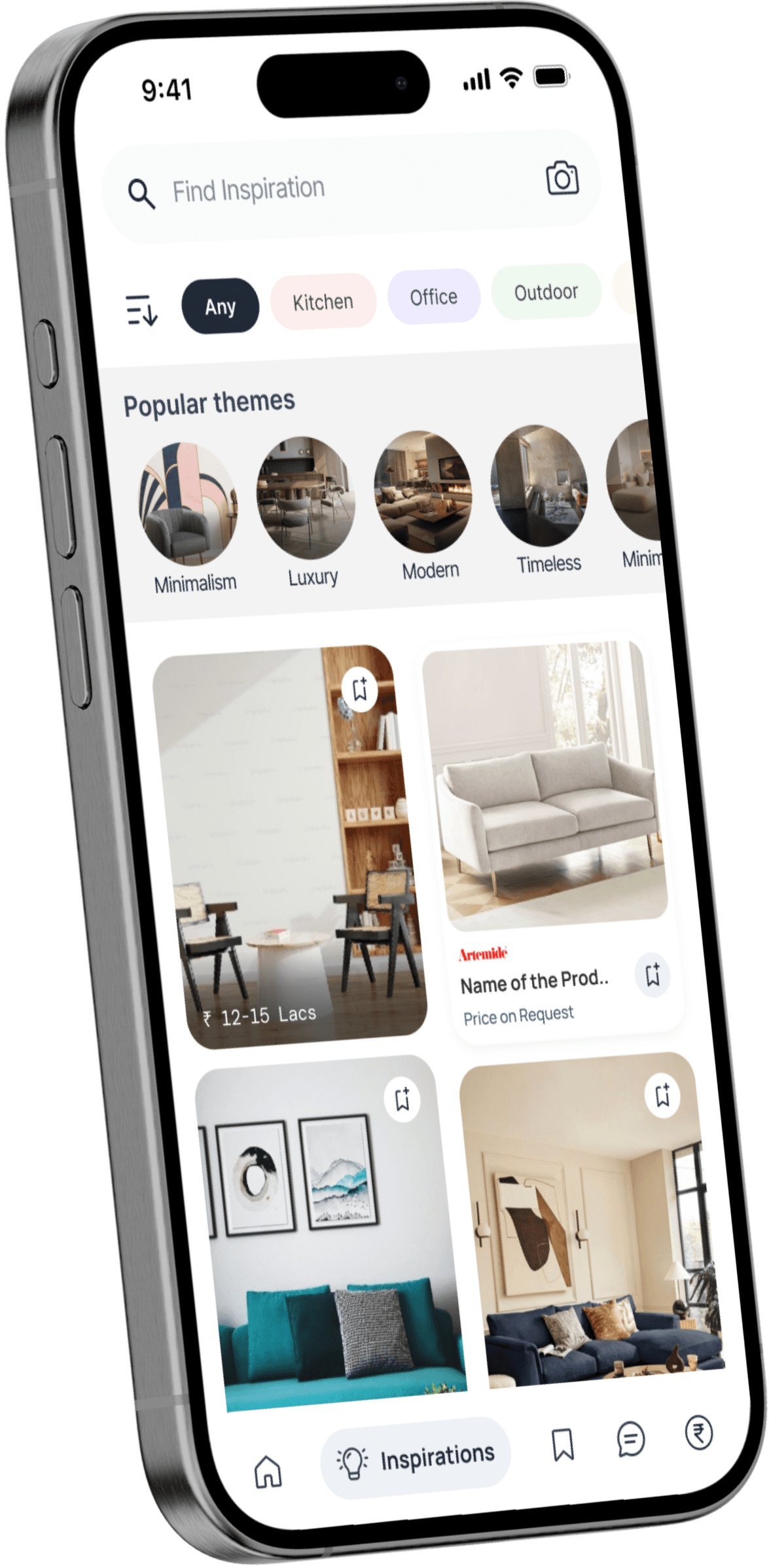
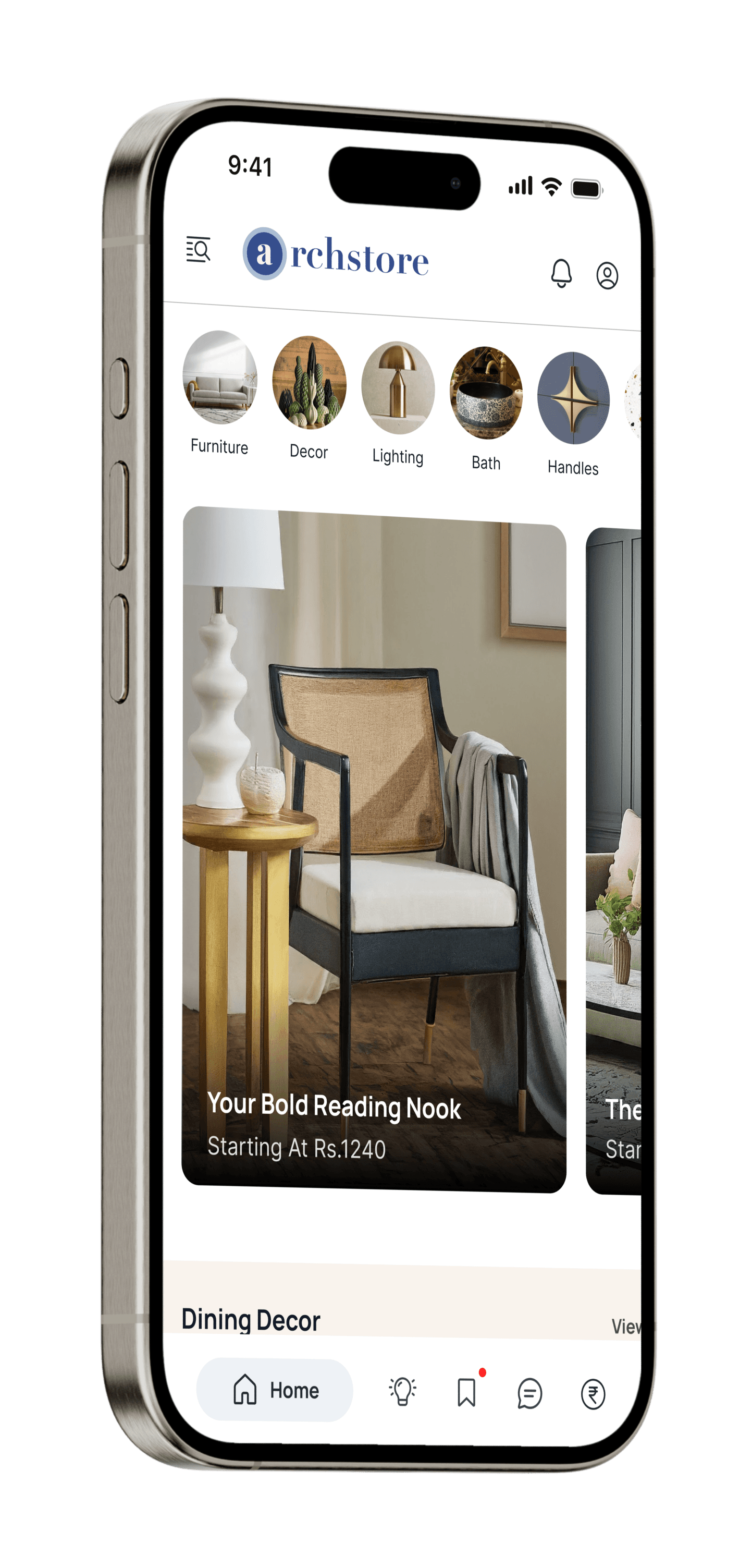
Archstore — Renovation Discovery Platform — home screen
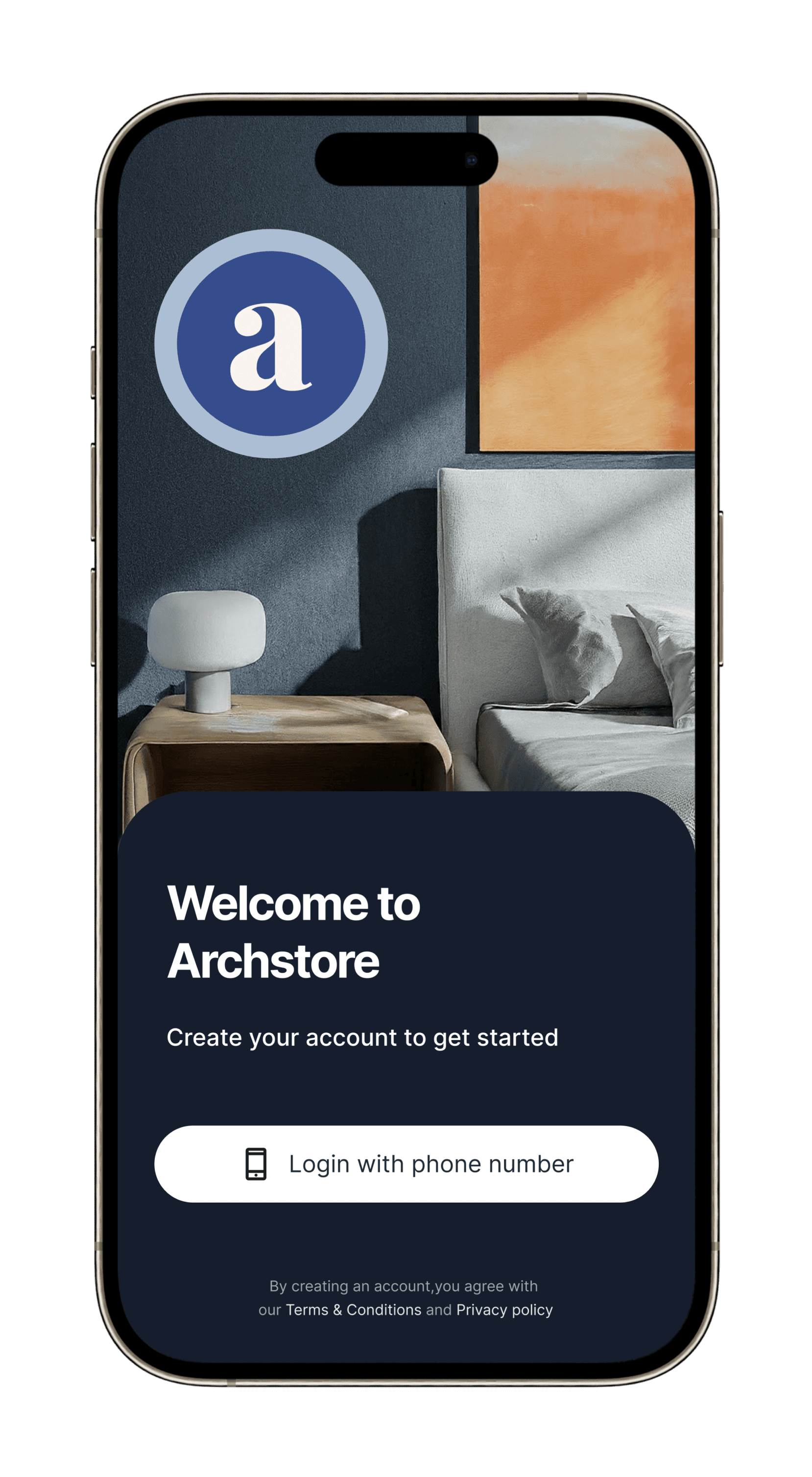
Archstore — Renovation Discovery Platform — secondary screen

Client

Archstore

Year

2024

Role

Product Designer

Duration

6 months

The Brief

01

The Story Behind It

The Situation

63% of renovation projects go over budget — not from overspending, but from starting without a clear picture of what things actually cost or who can deliver them. Homeowners had inspiration in abundance and zero decision clarity.

What We Did

After a 2–3 week discovery sprint — 10+ homeowner and vendor interviews, journey mapping, and competitive research — we designed 100+ screens across web and mobile, through 3–5 rounds of iteration on every core flow.

What Changed

100+ screens across web and mobile. Seed round raised using the design. Homeowner decision confidence 3× higher post-onboarding. Vendor discovery time cut from days to under 30 minutes in-app.

CapabilitiesProduct DesignConsumer AppTwo-sided MarketplaceMobile & WebDesign System
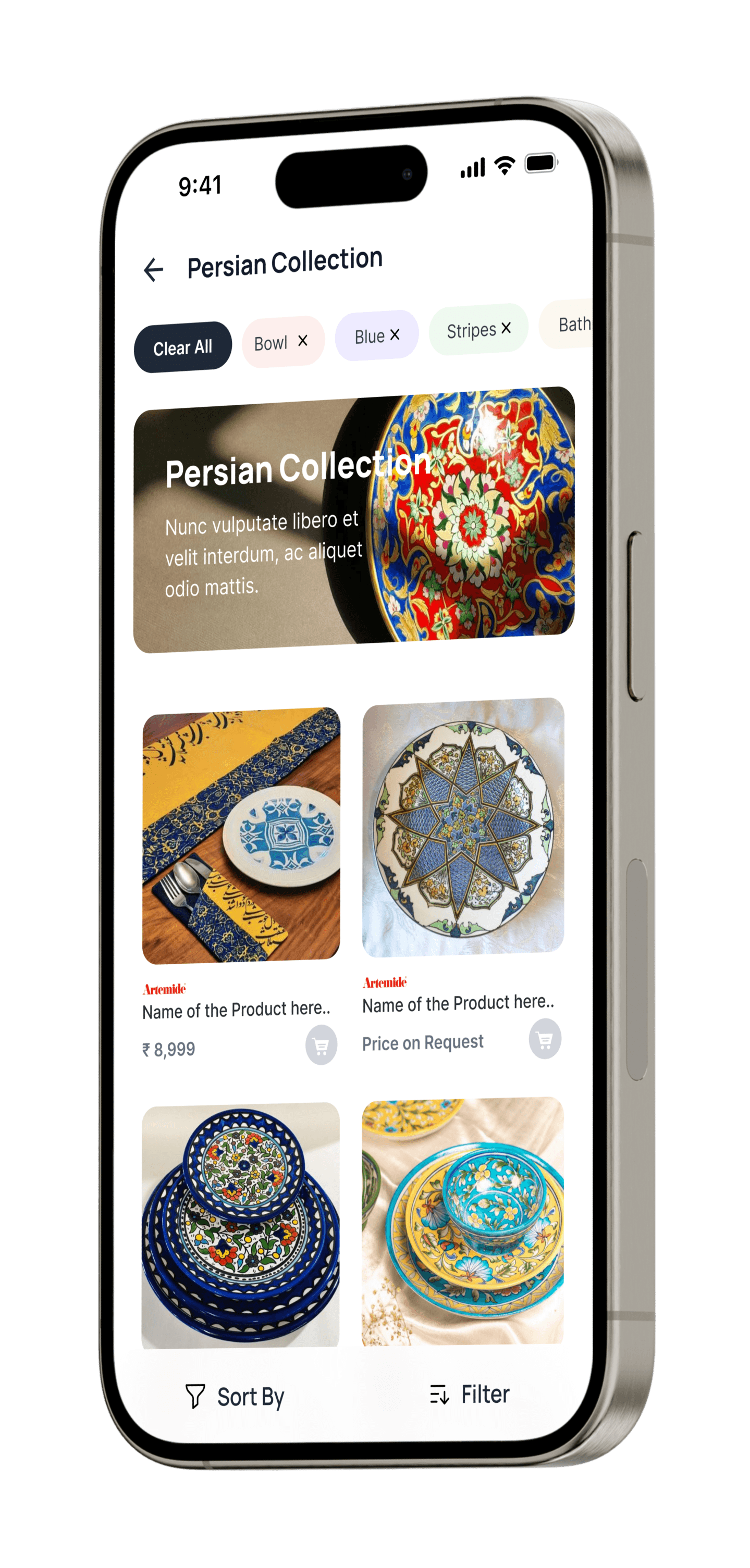
Archstore — Renovation Discovery Platform screen 1
Archstore — Renovation Discovery Platform screen 2
Archstore — Renovation Discovery Platform screen 3

What Drove It

02

Research & Design Bets

What the research showed, and the bets we made in response.

What We Found

Inspiration without cost context creates anxiety, not confidence

Homeowners had hundreds of saved images but still felt paralysed. The missing link wasn’t more inspiration — it was knowing which of those inspirations were achievable within their budget, and who could actually deliver them.

Vendor trust is built before contact, not during it

Homeowners didn’t want to call a vendor to evaluate them — they wanted to be confident before initiating contact. Portfolio quality, project fit, and budget range had to do the trust-building work upfront, without any human interaction required.

Mobile is where renovation decisions actually happen

Renovation research happened on the sofa, at the hardware store, and during lunch breaks — not at a desk. The primary experience had to be genuinely mobile-native, not a scaled-down desktop interface.

The Bets We Made

Discovery feed as primary entry point, not search

Situation

Early concepts led with search — assuming homeowners knew what they were looking for. Research revealed the opposite: most arrived in exploration mode with a vague aesthetic direction.

The Bet

Design a curated discovery feed as the primary navigation model — surfacing inspiration, products, and vendors algorithmically — with search available but deprioritised.

The Payoff

Session depth increased in testing — homeowners explored more content and reported feeling significantly less overwhelmed at the end compared to search-first sessions.
Vendor profiles led by project evidence, not credentials

Situation

Initial vendor profiles foregrounded qualifications and certifications. Testing showed homeowners skimmed this — trust judgements were made almost entirely on portfolio quality.

The Bet

Redesign vendor profiles around project galleries — filterable by room type, style, and budget range — with credentials shown as supporting detail, not the headline.

The Payoff

Time-on-profile increased significantly in A/B testing, and ‘save vendor’ actions nearly doubled when homeowners could filter portfolios by their own preferences.

Explicit audience bifurcation on the web homepage

Situation

The web platform needed to communicate value to both homeowners and vendors. A generic landing page served neither — vendors assumed it was a consumer tool, homeowners assumed it was for trade professionals.

The Bet

Design the homepage to acknowledge both audiences explicitly — branching into tailored onboarding and converging into the shared platform.

The Payoff

Homepage bounce rate dropped and vendor sign-up completion improved significantly — both groups reported understanding the product’s relevance faster.

The Structure

03

Architecture & Core Primitives

Architecture defined before a single screen was drawn — structure shapes behaviour.

Information Architecture

The Work

04

Screens That Shaped the Product

Every screen below was driven by a research insight — here's the decision chain from problem to pixel.

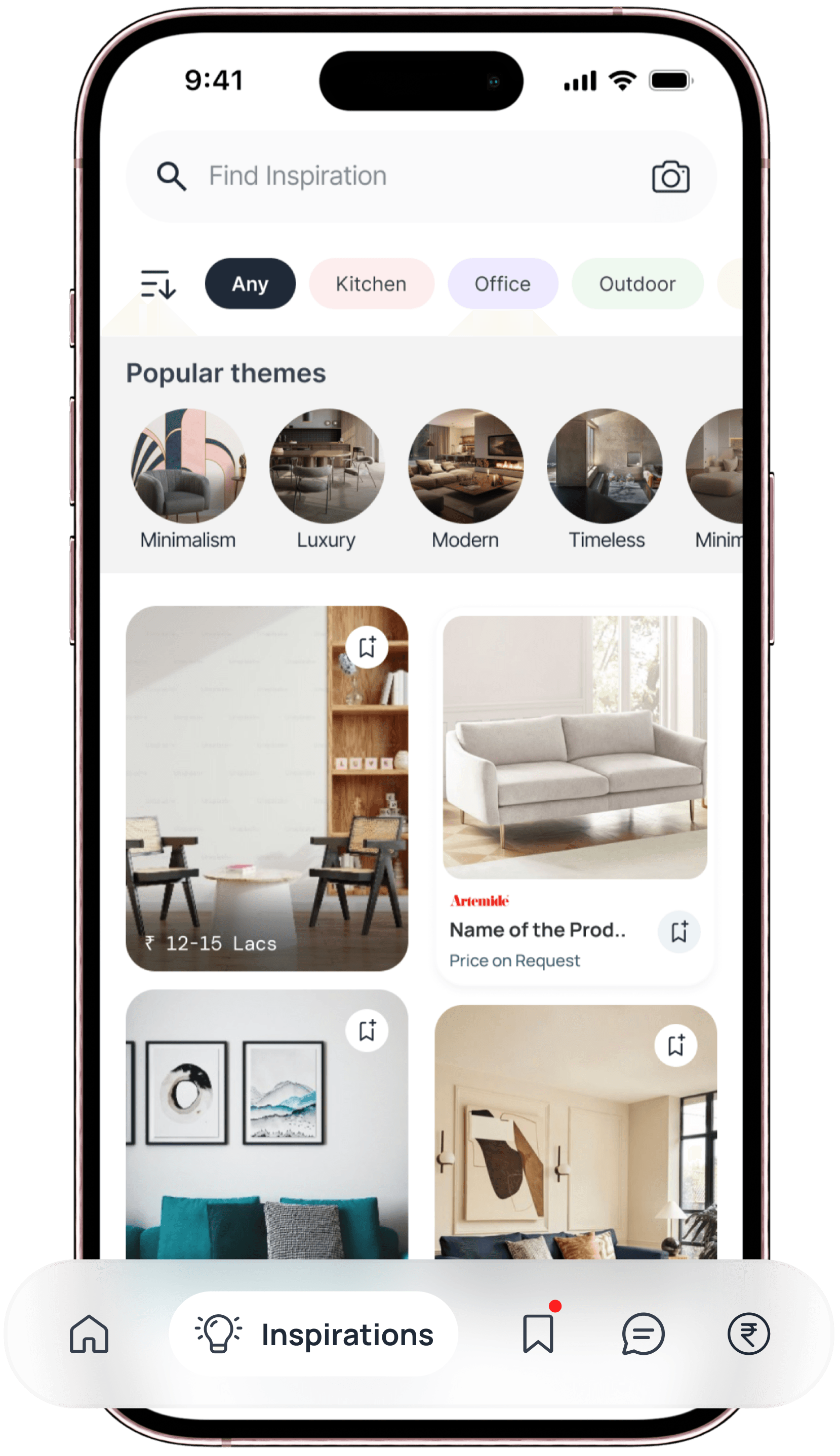
Personalised Home Feed

Screen 01 / 05

Personalised Home Feed

Homeowners arrived in exploration mode with no clear brief — search-first interfaces left them overwhelmed and directionless.

The Design Decision

A curated discovery feed combining renovation inspiration, trending products, and recommended vendors — personalised by renovation type, style, room, and location.

Session depth increased in testing — homeowners reported feeling significantly less overwhelmed in feed-first sessions.

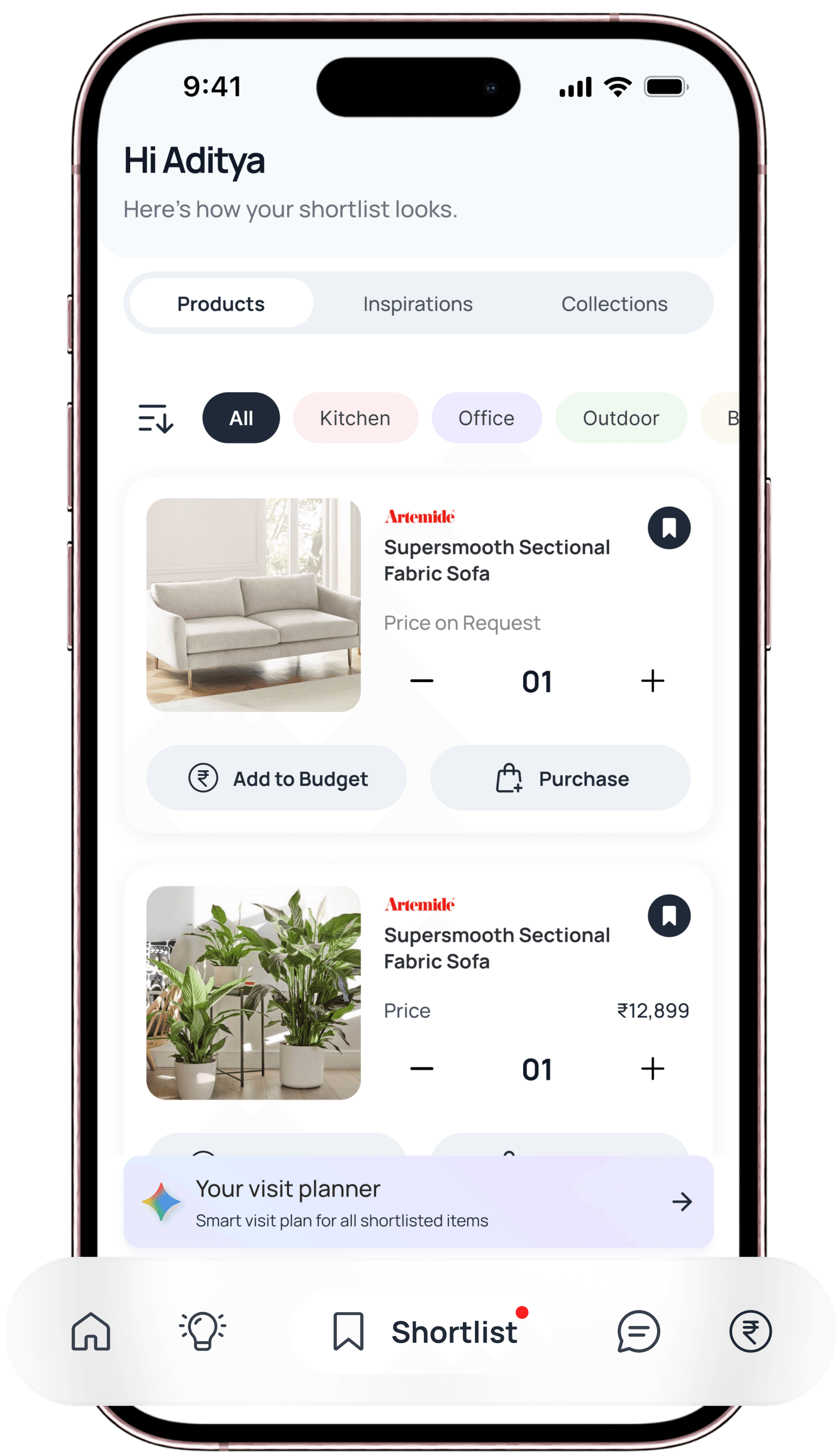
Project Moodboards & Shortlists

Screen 02 / 05

Project Moodboards & Shortlists

Renovation research happened across 5–6 disconnected platforms with no way to consolidate findings or brief a vendor.

The Design Decision

Personal project collections — organised by room or renovation phase — creating a shareable brief homeowners can send directly to vendors.

Homeowners arrived at vendor conversations with a coherent brief — discovery time reduced from days to under 30 minutes in-app.

Budget Planning by Scope

Screen 03 / 05

Budget Planning by Scope

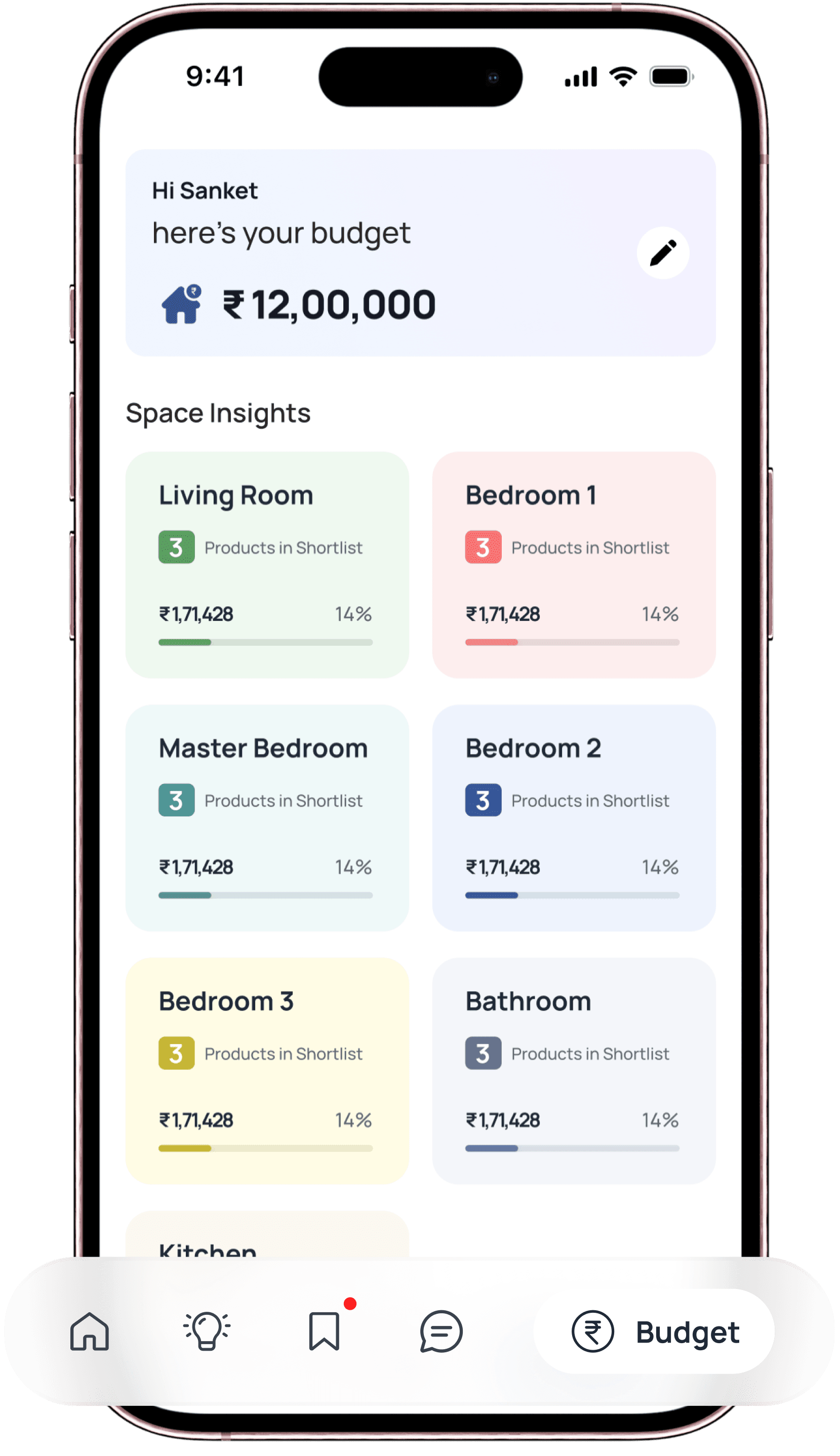
63% of renovation projects go over budget because homeowners start without realistic cost expectations.

The Design Decision

Three renovation tiers (Refresh, Remodel, Transform) helping homeowners calibrate expectations and filter recommendations by realistic project scope.

Homeowner decision confidence 3× higher post-onboarding compared to unguided exploration.

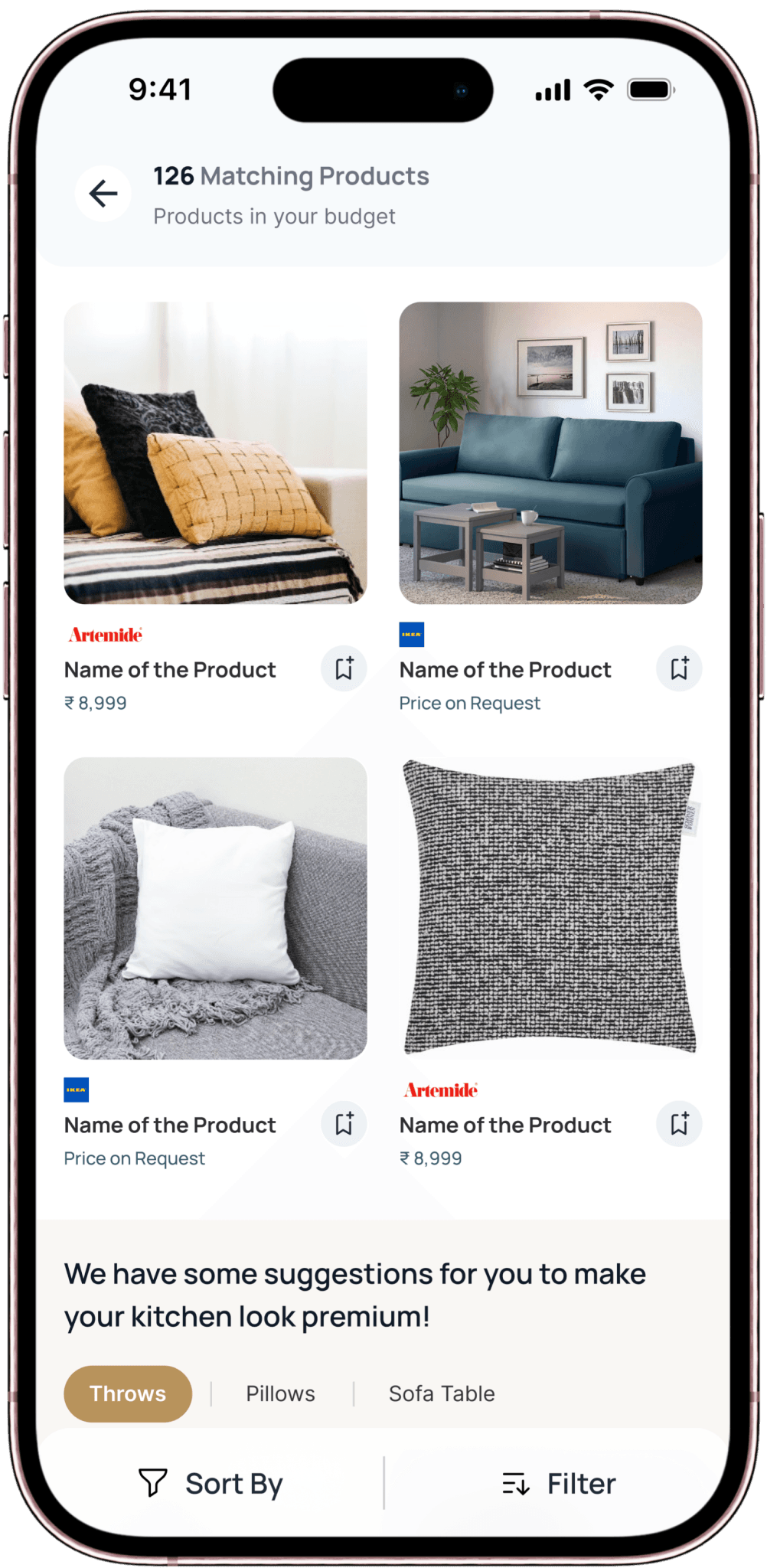
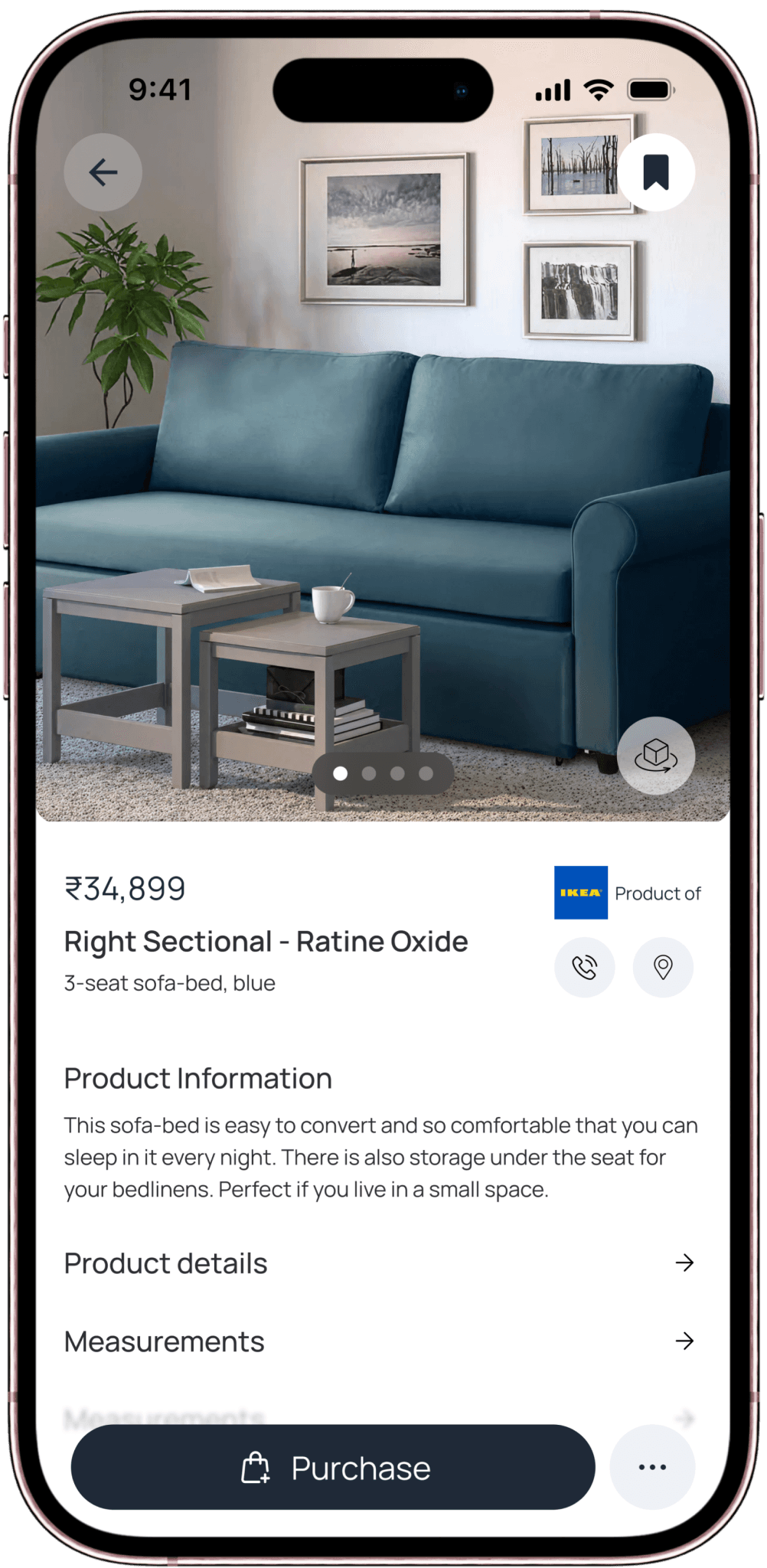
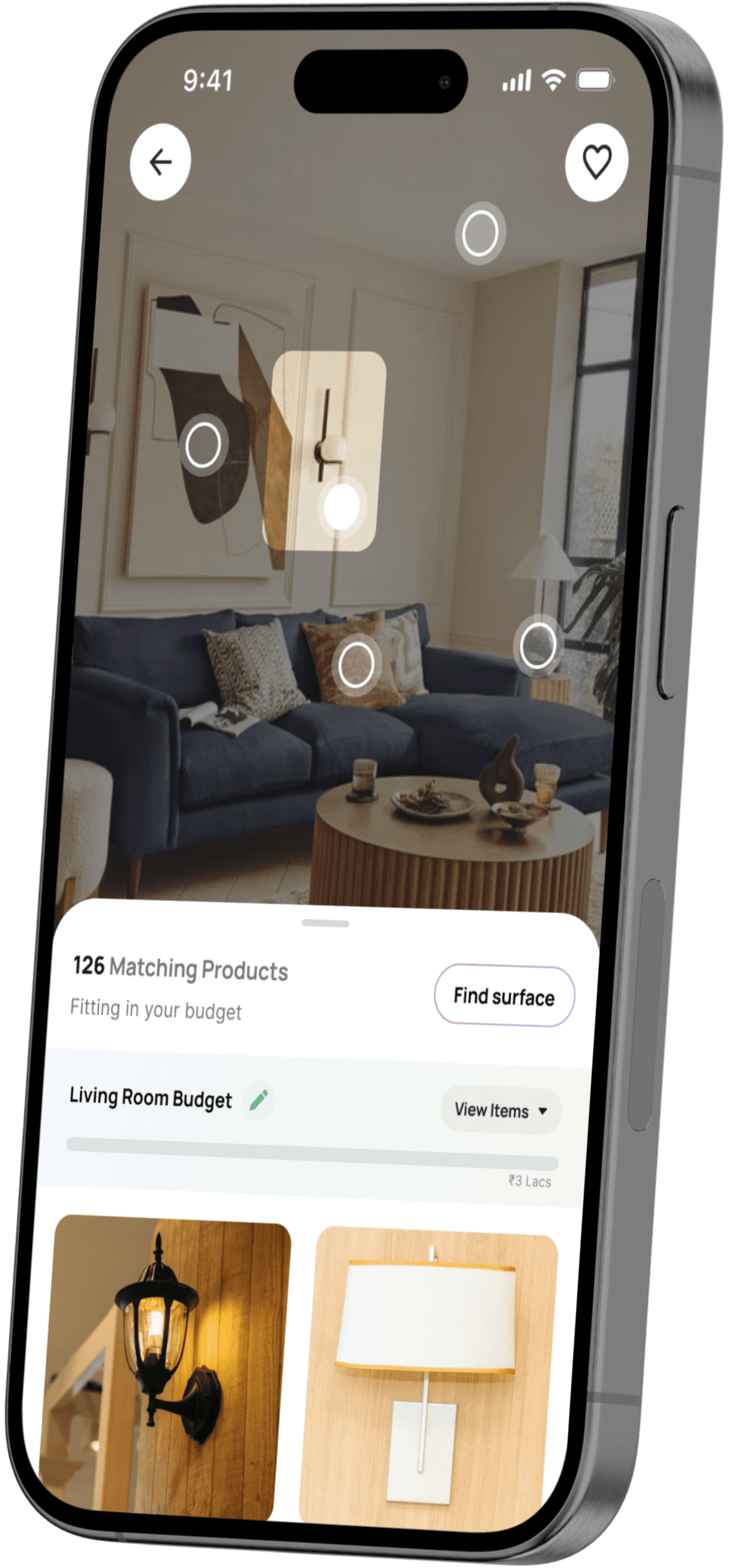
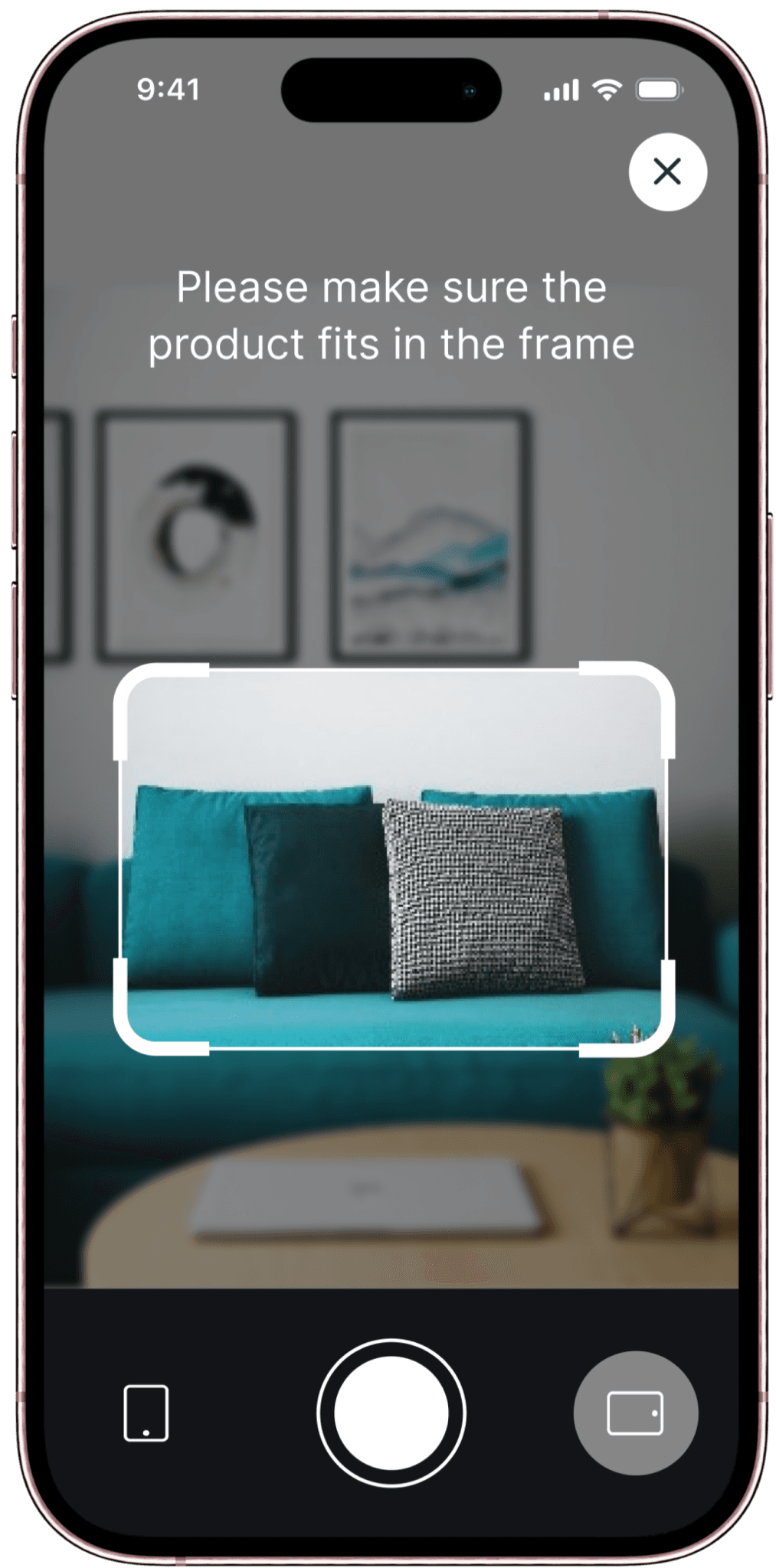
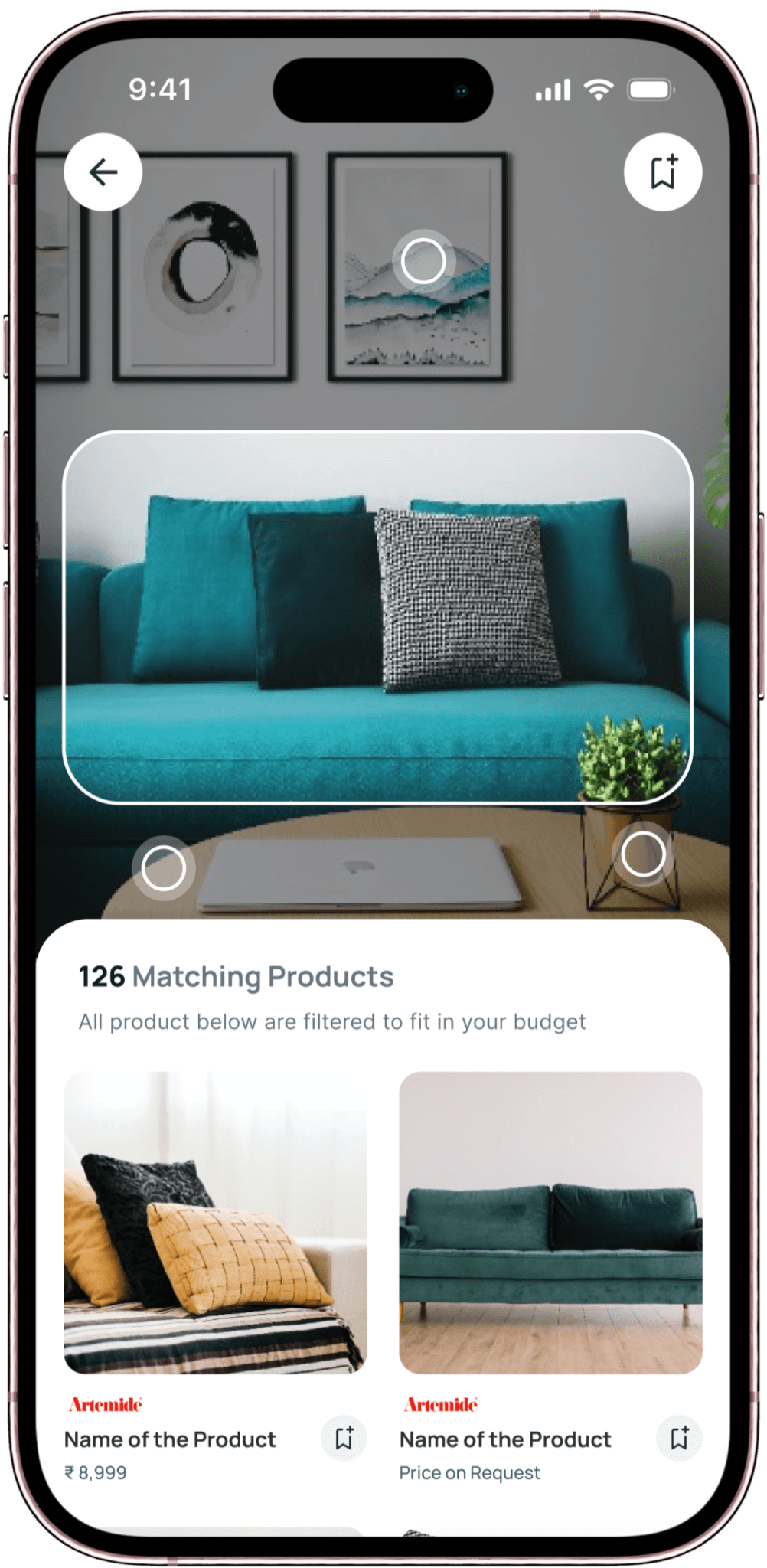
Budget-Based Visual Search

Screen 04 / 05

Budget-Based Visual Search

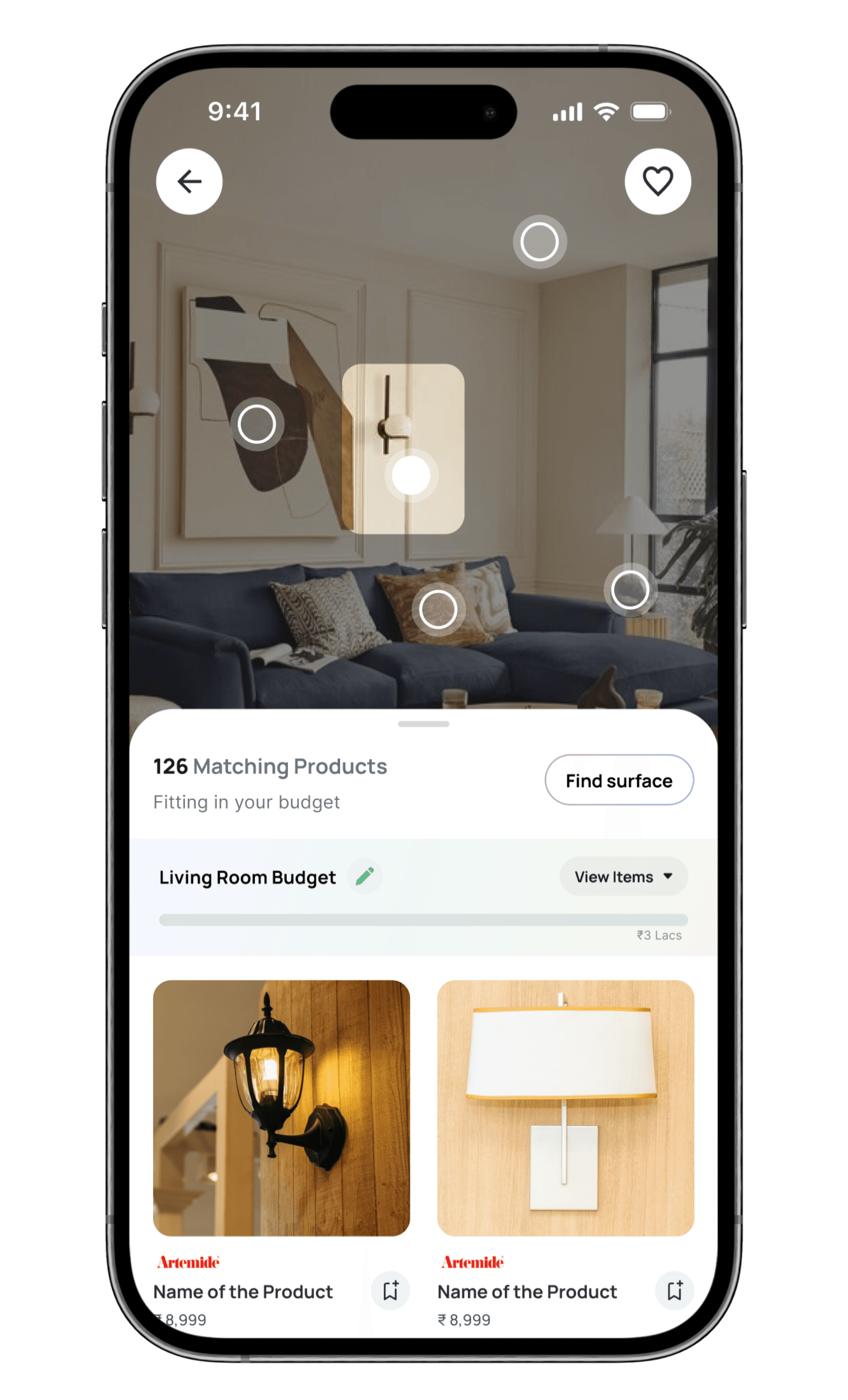
Homeowners often discovered products they loved through inspiration images, but struggled to understand whether those choices aligned with their renovation budget.

The Design Decision

An image-led product discovery experience that allows users to identify products directly from photos and receive alternatives tailored to their room-specific renovation budget.

Users could explore inspiration freely while staying within budget constraints, making product selection feel more realistic and achievable.

Shopping Map & Visit Planner

Screen 05 / 05

Shopping Map & Visit Planner

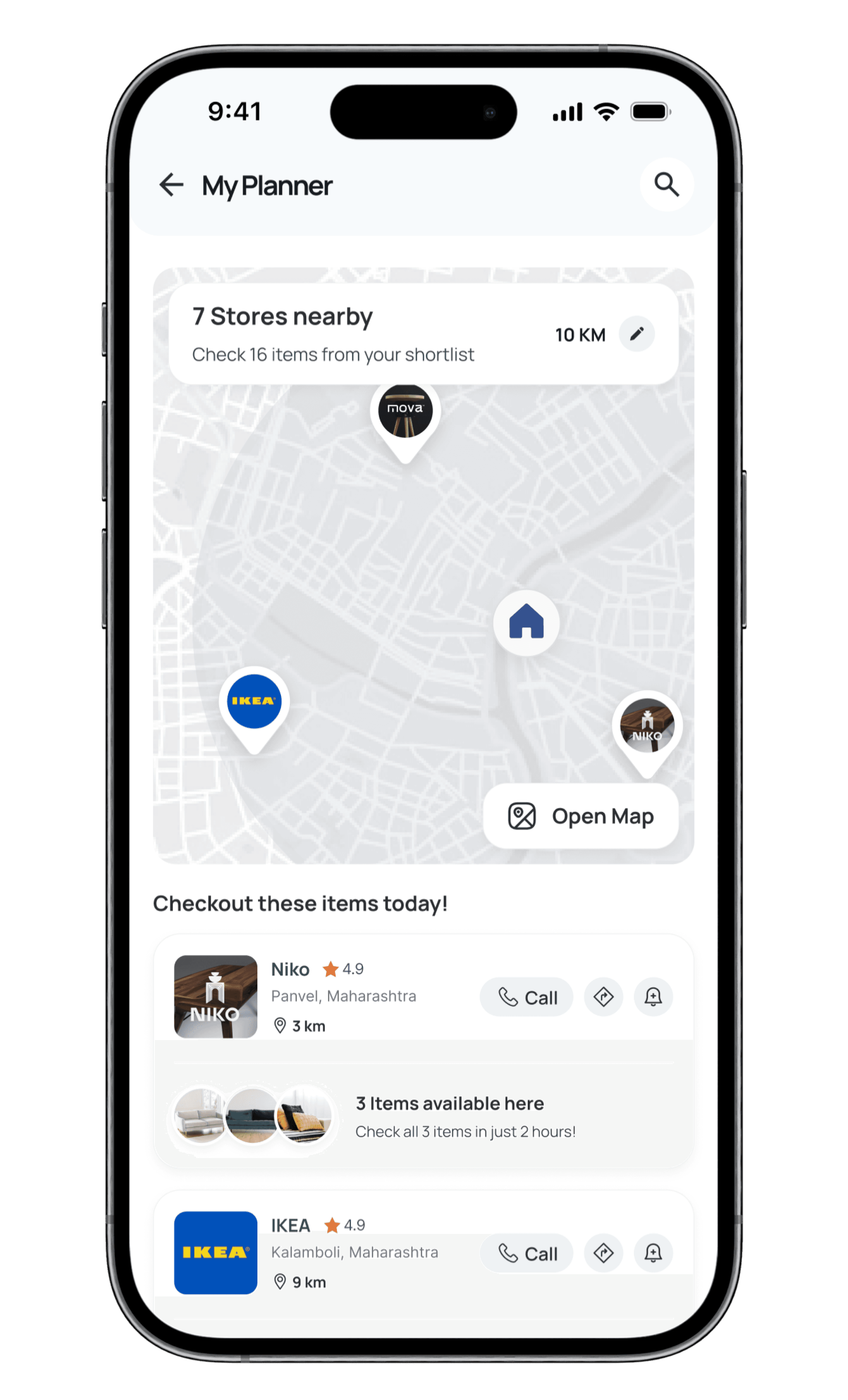
Homeowners frequently added products from multiple stores to their cart, making offline shopping trips difficult to organise and time-consuming to plan.

The Design Decision

A location-aware visit planner that groups shortlisted products by nearby stores and creates an optimised shopping route based on the user’s preferred travel radius.

Planning effort reduced significantly in testing, with homeowners feeling more confident about completing store visits and purchases in fewer trips.

The Outcome

Results That Proved the Thesis

01 / 04

0

Screens Delivered

Across mobile app and responsive web platform

02 / 04

0

Seed Round

Founding team closed their seed round using the Archstore design

03 / 04

0

Decision Confidence

Homeowner confidence scores vs. pre-platform baseline in user testing

04 / 04

0

Vendor Discovery

Average time from first open to a confident vendor shortlist

Rahul understood the chaos homeowners go through during renovation and designed a product that genuinely addresses it — not with more features, but with the right ones. The platform feels intentional in a way most design work doesn’t.

Founder

Archstore

Before We Go

06

What This Project Taught Us

Key Learnings

  • Two-sided marketplace design is less about features and more about trust architecture. Every decision had to answer one of two questions: ‘Does this make the homeowner more confident?’ or ‘Does this bring the vendor closer to a qualified lead?’ When a decision served both, it was the right call.

  • The renovation journey is emotional, not just functional. Homeowners weren’t managing a purchase — they were managing anxiety about the most expensive thing they’d ever do to their home. Tone, photography choices, and micro-copy all carried emotional weight that was just as important as information design.

  • Supply quality determines demand quality. The vendor onboarding experience got less design attention than the homeowner side — and that was a mistake. The homeowner experience is only as good as the vendors available. A marketplace is as good as its supply side.

Let’s Collaborate

Building a two-sided marketplace from zero?

We design the full product experience — from trust architecture to vendor onboarding — working from research rather than assumptions. The design that helped Archstore raise their seed round.

Book a Call

Usually reply within 24 h

Let's work together

Complex problem? Bring it.

We take on a limited number of engagements at a time — enough to give each one the focus it deserves. If you're building in AI, fintech, enterprise SaaS, or GovTech and need a senior partner who can shape the strategy, design the experience, and help it ship — let's talk.

No commitment. No pitch deck. Just 30 minutes on your product. We respond within 24 hours.

India  /  Remote-first · Global partnerships